

What is immune thrombocytopenia?
Immune thrombocytopenia is a somewhat common bleeding disorder that can happen in children and adults. About four children out of 100,000 and three adults out of 100,000 have immune thrombocytopenia. When you have immune thrombocytopenia, your blood doesn’t clot right because you have a smaller amount of platelets (thrombocytes) than normal.
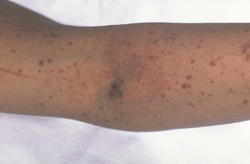
Platelets clot (attach to each other) to stop bleeding when there’s a cut in a blood vessel wall. If you don’t have enough platelets, bleeding can happen inside your body, under your skin or on your skin. Bleeding that happens under your skin can create purple bruises (purpura) that you can see on your skin. You may also have very small red or purple dots (petechiae) on your skin that may look like a rash.
Immune thrombocytopenia is also known as:
- ITP.
- Autoimmune thrombocytopenic purpura.
- Immune thrombocytopenic purpura.
- Idiopathic thrombocytopenic purpura.
- Werlhof disease.
- Autoimmune thrombocytopenia.
What are the types of immune thrombocytopenia?
There are two types of immune thrombocytopenia. They are:
Acute immune thrombocytopenia
- Lasts less than six months.
- Usually happens in children after they’ve had a viral infection.
Chronic immune thrombocytopenia
- Lasts longer than six months.
- Normally seen in adults.
- Affects women more often than men.
What causes immune thrombocytopenia?
- Your body’s autoimmune response.
- Viral infections.
- Bacterial infections.
- Some people’s genes may make them more likely to get immune thrombocytopenia.
What are the symptoms of immune thrombocytopenia?
You may not have any symptoms, but they can happen slowly or quickly if you do. Symptoms may include:
- Purple bruises (purpura) that you can see on your skin.
- Very small red or purple dots (petechiae) on your skin that may look like a rash.
- Bleeding gums at a dental appointment.
- Hematoma (clotted blood under your skin).
- Heavy menstrual bleeding.
- Feeling tired.
- Bleeding that’s hard for you to stop.
- Blood in pee or poop.
- Nosebleeds.
- Bleeding in the brain (very rare).
How is immune thrombocytopenia diagnosed?
Before making a diagnosis, your healthcare provider will want the following:
- Physical exam to check for bleeding on or under your skin.
- Medical history that could explain your bleeding problem.
- Blood test to count your platelets.
How is immune thrombocytopenia treated?
If you have a mild case, you might not need treatment. If you do need treatment, your provider will look at your platelet count and how often you bleed.
Children can get well after starting on medication. For adults, it can take longer. The timing of remission is variable depending on your overall health and the type of treatment. It may take months or longer.
Treatments (some through an IV) may include medications:
- Corticosteroids (such as prednisone).
- Immunoglobulin.
- Thrombopoietin receptor agonists (such as romiplostim [Nplate®] or eltrombopag [Promacta®]).
- Immunosuppressive medicines (such as rituximab [Rituxan®] or azathioprine [Azasan®]).
- Anti-Rh (D) immunoglobulin.
What are the other ways to treat immune thrombocytopenia?
- Have surgery: In some cases, your provider may decide to remove your spleen through surgery because your spleen makes antibodies that can mistakenly attack your platelets. Having your spleen removed may help your immune thrombocytopenia, but it can also put you more at risk for infections.
- Treat an infection: If an infection is temporarily making your platelet level drop, getting rid of the infection can help your bleeding problems.
- Stop taking certain medicines: Your provider may ask you to quit taking aspirin or another medicine that can make you more likely to bleed.
- Get a platelet transfusion: If your bleeding is serious, you may need to receive platelets that another person has donated to a blood bank. These donated platelets would be put into your bloodstream.
How can I reduce my risk of immune thrombocytopenia?
Although immune thrombocytopenia can’t be prevented, you can prevent complications of immune thrombocytopenia in these ways:
- Avoid medicines that could make you more likely to bleed.
- Prevent injuries that could make you bruise or bleed.
- Get treatment for any infection.
What can I expect if I have immune thrombocytopenia?
This is not a serious condition for most people who have it. However, if you are having major bleeding, you should seek medical care right away.
How long will you have immune thrombocytopenia?
Children with acute immune thrombocytopenia often get better without treatment in a few weeks or months and the problem doesn’t come back. Some children need medicine or surgery.
Chronic immune thrombocytopenia can last for years, but you can live a long time even if your immune thrombocytopenia is severe. Most of the people who have chronic immune thrombocytopenia reach a point when they can stop getting treatment.
How do I take care of myself with immune thrombocytopenia?
There are some things you can do that may lower your risk of bleeding. These include:
- Avoiding sports that can put you at risk for injuries that could bleed.
- Checking with your provider before you take any medicines or herbal supplements because they could make you more likely to bleed.
- Protecting your body from injury by wearing gloves and using seat belts.
What if I have immune thrombocytopenia while I’m pregnant?
If you have a mild case of immune thrombocytopenia during pregnancy, you probably won’t need treatment. If you do need treatment during pregnancy, your provider will consider how it might affect your baby. Your baby most likely won’t be affected by immune thrombocytopenia, but could have fewer platelets after birth. Usually, your baby’s platelet count will go back to normal without treatment.
What questions should I ask my doctor?
- What treatment do you recommend for me?
- How long will the treatment take to work?
- What if the first treatment doesn’t work?
A note from Cleveland Clinic
Children can recover from immune thrombocytopenia fairly quickly, but it usually takes longer for adults. Although several medications are available to treat immune thrombocytopenia, your healthcare provider may need to try more than one treatment to help you. You can help yourself by avoiding situations with a risk of bleeding, such as contact sports.