

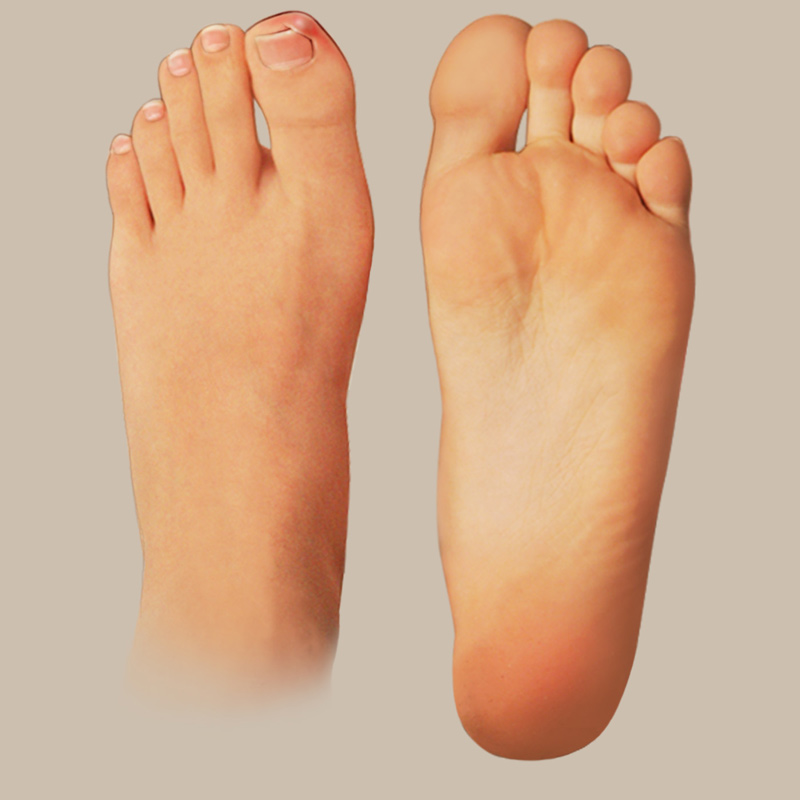
What is an ingrown toenail?
An ingrown toenail is a foot condition that develops when the corner of the toenail grows down into the skin. It usually affects the big toe. Ingrown toenails often happen when people cut their toenails by tapering the corner of their toenail. If the toenail curves with the shape of the toe, it can grow into your skin. Ingrown toenails are common and don’t usually pose a health risk to healthy people.
Who is likely to have an ingrown toenail?
Anyone can get an ingrown toenail. People at higher risk include adolescents, athletes and those who have:
- Diabetes.
- Severe nerve damage in the leg or foot.
- Poor blood circulation.
- An infection around the nail.
How common are ingrown toenails?
Ingrown toenails are a common foot condition. Two out of 10 people who see their healthcare provider for a foot problem have an ingrown toenail.
What causes an ingrown toenail?
An ingrown toenail can have many causes:
- Incorrectly cut toenails. If you cut your toenails too short or rounded, the nail may grow into the skin.
- Improperly fitting shoes.
- Tearing the corner of the nail.
- Toe trauma, such as banging your toe or getting stepped on.
- Congenital (your foot shape) — for instance, if your nail is larger comparatively with your toe, or the surrounding tissue of the nail border naturally grows around your nail.
- What are the signs and symptoms of an infected ingrown toenail?
At first, an ingrown toenail can feel hard and swollen. If the nail grows into the skin, or the skin grows over the nail edge, bacteria can enter. The nail may become infected. Signs of ingrown toenail infection include:
- Liquid or pus coming out of the toe.
- Pain.
- Redness or darkening of the area.
- Swelling.
- Toe feeling warm or hot.
How is an ingrown toenail diagnosed?
You can often diagnose an ingrown toenail yourself, based on your symptoms and how the toe looks.
Your healthcare provider (which may be your regular provider or a foot specialist called a podiatrist) will likely diagnose an ingrown toenail by inspecting it. They’ll examine the skin at the edge of the nail. They will diagnose an ingrown toenail if the skin is:
- Growing over the nail.
- Swollen, tender, warm and red.
What tests might I have for an ingrown toenail?
You typically don’t need any tests or X-rays to diagnose an ingrown toenail. In rare cases, when the toenail is severely infected, your healthcare provider might take a sample culture to identify the infection. X-ray may also be required in more serious infections.
How is an ingrown toenail treated?
You can treat an ingrown toenail at home. These steps help manage the infection and prevent further pain:
- Soak the foot in warm water and Epsom salts twice daily.
- Keep the foot dry the rest of the time.
- Gently lift the edge of the nail and place some cotton or dental floss between the nail and the skin. Change the pad every day.
- Use an antibiotic cream and a bandage.
- Wear roomy shoes or sandals.
- Use pain relievers such as ibuprofen or acetaminophen, if needed.
Can I cut the ingrown nail myself?
If you have an ingrown toenail, do not attempt to cut it yourself. If you cut the nail, the condition may get worse. If symptoms aren’t getting better with at-home remedies, see a healthcare provider.
Do I need a healthcare provider to treat an ingrown toenail?
If your symptoms haven’t improved within a few days, or the nail looks worse, call your healthcare provider.
You should also see your provider as soon as possible if you develop an ingrown toenail and you have:
Does an ingrown toenail require surgery?
Most of the time, an ingrown toenail heals without surgery. In severe cases, your healthcare provider may need to remove part of the nail surgically. The procedure is called a nail avulsion. Surgery keeps the edge of the nail from growing inward and cutting into the skin. For children who keep getting infected ingrown toenails, permanently removing the nail can help.
During a partial or complete nail avulsion, your provider injects an anesthetic (numbing medicine) in your toe. Then the provider cuts away part or all of the toenail. It can take a few months for the nail to regrow. For recurrent ingrown nails these avulsion procedures can be done permanently with the assistance of a chemical to kill the nail root.
###
How can I prevent an ingrown toenail?
You can take these steps to prevent an ingrown toenail:
- Soak the nail in warm water before cutting, or cut nails after a shower or bath.
- Clean your nail trimmer before using it.
- Do not tear or rip nails.
- Trim toenails across the top. Don’t round the corners.
- Wear shoes that fit correctly. They should not be too loose or tight around the toes.
- Avoid repetitive trauma to the sides of the nails.
- If you have diabetes, follow all foot care recommendations from your healthcare provider. With diabetes, do NOT be hesitant about seeking medical help.
What is the outlook for someone with an ingrown toenail?
Most of the time, an ingrown toenail is not a serious health problem. Ingrown toenail treatment usually works. The ingrown toenail won’t grow back if you practice good foot care.
You may need regular foot care exams if you have a condition that causes foot problems, such as nerve damage or diabetes.
When should I see my healthcare provider about an ingrown toenail?
See your healthcare provider for an ingrown toenail if you have:
- Diabetes.
- Signs of an infection (pus or liquid drainage, extreme pain or redness).
- Poor circulation.
- Tried topical antibiotic ointment, soaking and self-care but the toe still hurts.
What should I ask my healthcare provider?
If you have an ingrown toenail, ask your provider:
- Is the nail infected?
- How can I best treat it?
- Do I need surgery?
- How can I keep it from coming back?
- Do I need medication?
- How should I cut my nails to avoid ingrown toenails?
A note from Cleveland Clinic
An ingrown toenail is annoying and painful but very treatable. Often, soaking the nail will improve symptoms within a few days. If it doesn’t get better, see your healthcare provider who can treat it. Don’t attempt to cut the ingrown nail yourself at home. In the future, to prevent ingrown toenails, wear roomy shoes and cut your nails straight across, rather than tapering them to the shape of your toe.