

What is an endoscopic retrograde cholangiopancreatography (ERCP)?
Endoscopic retrograde cholangiopancreatography (ERCP) is a test that uses a combination of X-rays and an endoscope. An endoscope is a lighted flexible tube with an attached camera.
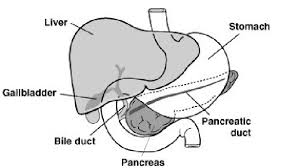
Gastroenterologists (doctors who specialize in gastrointestinal disorders) use ERCP to examine and treat problems that affect the liver, pancreas, gallbladder and bile ducts. Bile ducts carry bile from your liver to the gallbladder and on to the small intestine. Bile is a fluid that breaks down fat in foods.
Why do healthcare providers perform ERCP?
Doctors use ERCP to diagnose and treat problems that affect the:
- Bile ducts, including cancer, stones and strictures.
- Gallbladder, including gallstones and cholecystitis (inflamed gallbladder).
- Pancreas, including pancreatitis (inflamed, swollen pancreas), pancreatic cancer and pancreatic cysts and pseudocysts.
How should I prepare for ERCP?
Follow your doctor’s instructions on steps to take before the procedure. Generally, you should:
- Not eat, drink or smoke for at least six hours before the procedure. Clear liquids like water may be OK.
- Alert your doctor to any allergies, especially prior allergic reactions to intravenous (IV) contrast dyes. If you’ve had a previous reaction, you may need to take allergy medications before the procedure.
- Give your doctor’s office an updated list of medications and supplements.
- Talk to your doctor about whether to stop taking blood-thinning medications, such as aspirin and warfarin.
- Tell your doctor if you might be pregnant. Certain anesthesia can harm a developing fetus.
How is ERCP performed?
ERCP is usually an outpatient procedure, which means you go home the same day. The procedure can take one to two hours. You’ll receive IV anesthesia (medicine to calm you). You’ll be awake for the procedure, but you probably won’t remember any of it. Someone will need to drive you home afterward.
During a diagnostic ERCP, your doctor:
- Numbs your throat with an anesthetic spray.
- Inserts the endoscope into your mouth and guides it through the esophagus and stomach to reach the upper part of the small intestine (duodenum).
- Pumps air through the endoscope into the stomach and duodenum to make it easier to see organs.
- Slides a different tube, called a catheter, into the endoscope until it reaches the bile and pancreatic ducts.
- Injects a special dye through the catheter.
- Takes video gastrointestinal X-rays (fluoroscopy) as the dye travels through the ducts.
- Checks for signs of blockage or problems.
For treatment, your doctor may insert tiny instruments through the endoscope to:
- Break up and remove stones.
- Place stents to open blocked or narrowed ducts.
- Remove tumors or tissue samples to biopsy.
What should I expect after ERCP?
The endoscopic procedure may irritate your throat. You might need to eat soft foods for a day or two until the soreness subsides.
After ERCP, you may experience some bloating (a swollen feeling from the pumped-in air) and nausea (an anesthesia side effect). You should be able to return to work and normal activities the next day, with your doctor’s approval.
What are the potential risks or complications of getting ERCP?
Some people have an allergic reaction to the IV dye used during the X-ray part of the procedure. If this happens, your doctor will quickly administer medication to stop the reaction. Other rare but potential complications include:
- Gallbladder or bile duct infection.
- Hole (perforation) in stomach, ducts or small intestine.
- Inflamed, swollen pancreas (pancreatitis).
- Internal bleeding.
###
When should I get my test results?
Your doctor may be able to share diagnostic findings with you immediately. It can take up to two weeks to get biopsy results.
When should I call the doctor?
Call your healthcare provider if you experience:
- Chest pain or difficulty breathing.
- Fever, or other signs of infection.
- Severe, worsening abdominal pain or sore throat.
- Signs of rectal bleeding, such as dark, tarry-looking stool.
- Vomiting.
A note from Cleveland Clinic
ERCP is a relatively low-risk procedure. It helps your healthcare provider determine the cause of certain bile duct and gastrointestinal problems. ERCP can also help treat these problems. Your provider may share findings and treatment options with you on the day of the procedure or after receiving biopsy results.