

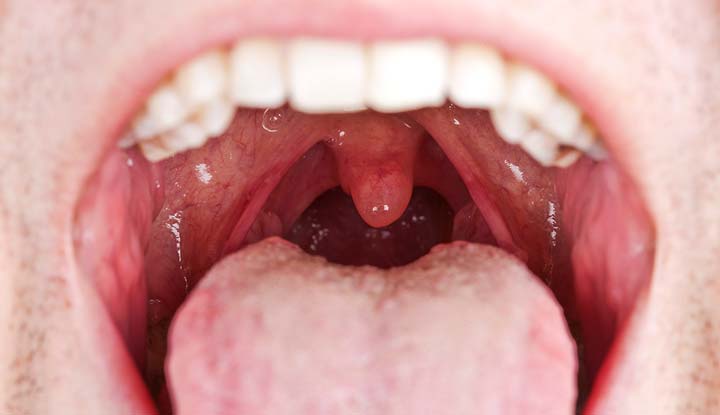
What is the mouth?
Your mouth is part of your digestive system. This oval-shaped opening in your skull starts at your lips and ends at your throat. Your mouth allows air and nutrients to enter your body, and it also helps you speak. It’s also called the oral cavity. The inner lining of your cheek is known as the buccal mucosa.
What is the function of your mouth?
The mouth is involved in several essential bodily functions:
- Breathing.
- Chewing.
- Digesting foods and drinks.
- Drinking.
- Swallowing.
- Talking.
- Tasting.
What are the parts of your mouth?
The boundaries of your mouth hold food in place for chewing and allow you to form sounds and words:
- Cheeks.
- Lips.
- Palate.
The palate is the roof of your mouth, which separates your mouth from your nasal cavity, or nose area. It’s made of bone and muscle.
Inside your mouth are the:
- Gums: Your gums are tissue that anchor your teeth in place.
- Oral mucosa (mucous membranes): The oral mucosa is a lining all over the inside of your mouth.
- Salivary glands: Three pairs of salivary glands make saliva (spit).
- Sensory receptors: Sensory receptors located throughout your mouth help you sense the temperature and texture of foods and drinks.
- Taste buds: These cells help sense flavors and tastes (sweet, salty, sour, and bitter).
- Teeth: Your mouth has 32 teeth that crush and tear food for swallowing and digestion.
- Tongue: Your tongue is a strong muscle that contains taste buds. It moves food around your mouth and helps you speak.
- Uvula: This piece of flesh hanging in the back of the palate helps move food from your mouth into your throat.
What does healthy mouth anatomy look and feel like?
In a healthy mouth, the tissues are pink, firm and moist. If you have a healthy mouth, your breath will smell pleasant or neutral.
Healthy gums are firm and pink, not red or white. They are not swollen or sore. Teeth should be firmly planted in the gums, not wiggly. It should not hurt to chew or brush your teeth.
A healthy mouth will not have any bumps, flaps, gaps or rough patches.
What conditions and disorders can affect the oral cavity?
Many problems can affect your mouth. Examples include:
- Bad breath (halitosis).
- Cleft lip and palate.
- Cold sores or other ulcers.
- Dry mouth (xerostomia).
- Infections.
- Oral cancer.
- Tongue issues, such as a cracked, coated or discolored surface.
- Trauma or injury.
- Problems with your teeth, such as a buildup of dental plaque, cavities, abscessed tooth or impacted wisdom teeth.
- Problems with the gums, such as gingivitis and periodontitis.
- Speech problems (for example, a lisp).
Problems with oral health can be a sign that you have another health problem. Talk to a healthcare provider or dentist if you have any problems with your oral cavity.
How can I keep my mouth healthy?
You can keep your teeth, gums and mouth healthy with good oral hygiene, regular dental checkups and a healthy lifestyle. For example:
- Avoid smoking and chewing tobacco.
- Brush your teeth, tongue and all around the mouth twice a day. Use a toothpaste that contains fluoride.
- Drink plenty of water, limiting sugary drinks such as soda.
- Eat healthy foods, avoiding too much sugar.
- Floss between your teeth once a day.
- Visit a dentist twice a year.
When should I call my doctor about my mouth?
Call a healthcare provider or dentist if you experience any of the following symptoms in your mouth:
- Sores or bumps that don’t go away or keep coming back.
- Pain or soreness.
- Frequent bleeding.
- Gaps between the teeth and gums.
- Foul smell.
- Loose teeth (in adult, permanent teeth).
- Dry mouth that doesn’t go away.
A note from Cleveland Clinic
Your mouth, or oral cavity, is important for breathing, talking, eating and drinking. In a healthy mouth, tissues are moist, pink, firm and pain-free. Talk to a healthcare provider or dentist if you have any oral concerns, and get a dental checkup at least once a year.